Solscan and Solana: How to Read the Chain Like a Pro
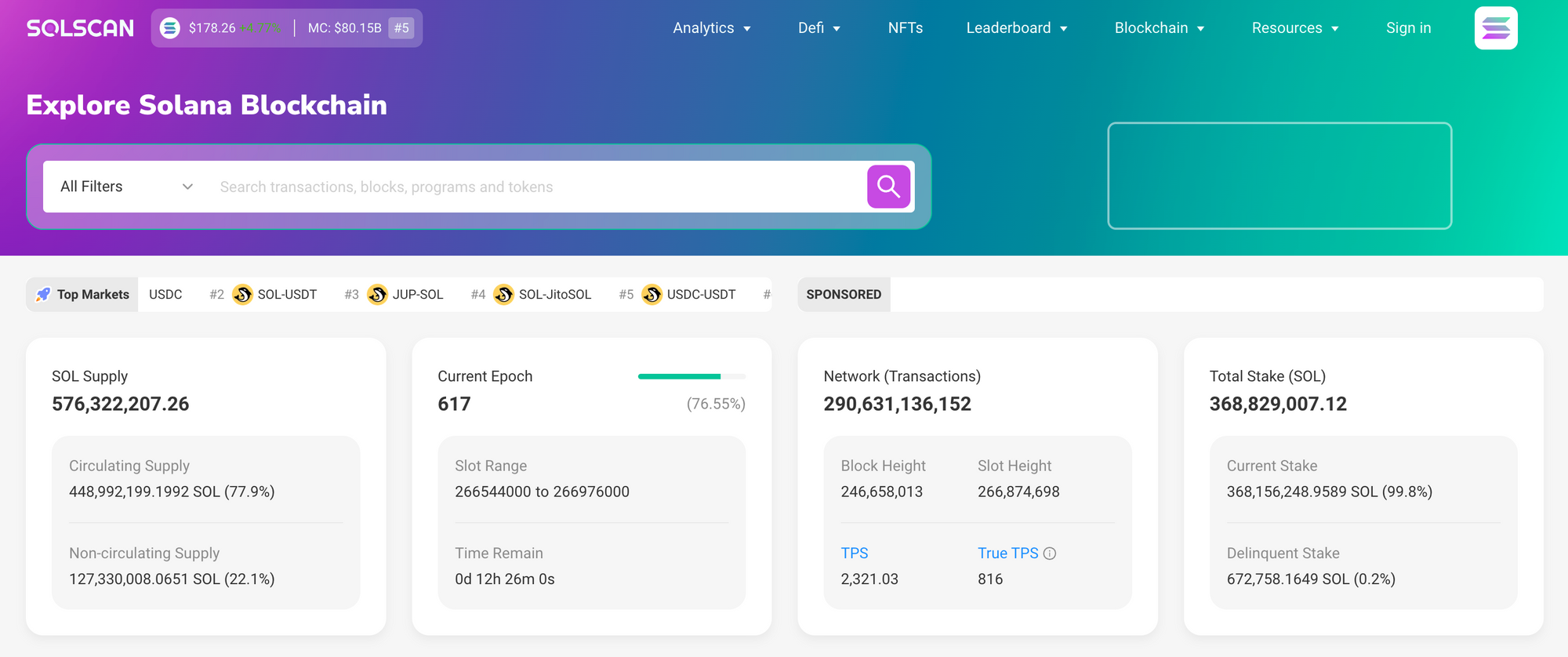
Okay, so check this out—I’ve spent years poking around block explorers. Whoa! When I first opened Solscan I felt that immediate rush of curiosity mixed with mild confusion. The UI is clean, the data surfaces very very fast, and you can trace activity in seconds. At first I thought it was just another block scanner, but actually the depth surprised me.
Solscan surfaces token transfers, program logs, and contract details with minimal friction. My instinct said this would only be useful to developers. Actually, wait—let me rephrase that: power users, auditors, traders, and curious newcomers all find value here. Yep. The explorer also links timelines of events so you can reconstruct what happened during a failed transaction.
On one hand the block time on Solana is blazingly fast, which is great for UX. On the other hand that speed creates noise and requires good filters to find real signals. Here’s the thing. Filtering and search are places where different explorers shine or fall short, and Solscan does quite well. I dug into token holders, checked mints, and followed program IDs across blocks to validate an airdrop.
Initially I thought on-chain explorers would be mostly static read-only tools. But then I realized interactive features like decoded instruction views and event parsing change the game. Wow! The decoded logs save time and often stop you from chasing red herrings. Also, Solscan surfaces contract source links and metadata when available, which helps when you need to audit quickly.
I’m biased, but this part bugs me: not all explorers standardize their metadata, so you sometimes need to cross-check — somethin’ I find annoying. So I compare Solscan results with raw RPC calls to be sure. Really? The deeper you go the more patterns emerge — bot clusters, wash trading hints, and recurring failed instructions. When a transaction fails you can inspect each instruction, view logs, and even see rent or compute budget issues.
Practical tips and one-click habits
For developers the ability to search by program ID and inspect bytecode is indispensable. Hmm… I often cross-reference Solscan with on-chain tooling; for quick checks I use the solscan explorer official site to jump into decoded views. Initially I thought this token was clean, but then traced mint authority transfers and saw suspicious patterns. That prompted me to dig deeper and follow the money across wallets.
Some quick, actionable habits I’ve developed: check decoded instructions first, then open the raw logs if something doesn’t add up. Use program ID timelines to understand lifecycle events. Keep an eye on lamport flow and rent changes for odd behavior. Oh, and by the way… keep a small notebook or a quick note file for recurring heuristics — it helps.
FAQ
How does Solscan differ from other explorers?
Here’s the thing. Solscan focuses on decoded transactions, quick token insights, and a UI built for speed. That combination matters when you’re triaging incidents in real time, especially if you’re in a fast-paced trading environment. I use it alongside RPC logs to get both the high-level view and the raw data.
Can I trust the data shown on an explorer?
Hmm… Explorers display on-chain state as reported by nodes, but some fields come from metadata registries that require verification. So cross-checks and wallet heuristics are often necessary. If something looks off, follow account history and program IDs to confirm.